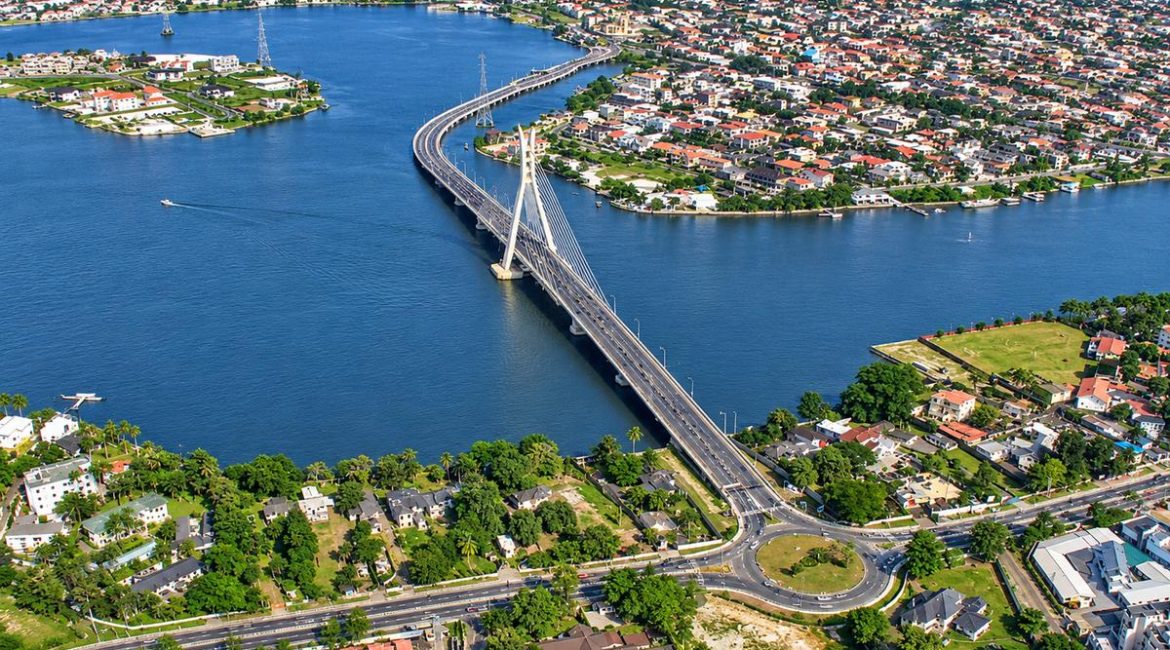
Picture a balcony high above the Lagos Lagoon. Boats trace lines across the water, the city skyline rises in the distance, and for a moment the noise of Lagos feels far away. Now consider the price: in Ikoyi, the typical house is advertised at more than ₦2.2 billion.
In a city where housing affordability is a serious concern, why do buyers pay that premium? And when Miami, Manhattan and other global cities compete for the same wealthy buyers, does Ikoyi offer comparable value? Whether you live in Lagos or are one of the many Nigerians in the US weighing a home in Ikoyi, the answer goes beyond luxury finishes and prestige. It is shaped by scarce land, concentrated wealth, proximity to business, demand for privacy, and the high cost of building well in Lagos. There is also a harder question: how much of the price buys a better life, and how much pays for private fixes to public shortcomings?
Key takeaways
- The median Ikoyi house asks about ₦2.21bn (≈$1.64m); the median flat about ₦948m (≈$704k).
- The top quarter of Ikoyi houses ask from about $3.24m, roughly where South Florida’s top 5% of home sales begins.
- Scarce, tightly held land and replacement costs are the biggest price drivers. Ikoyi assets rose 132–176% between December 2024 and February 2026.
- Buyers also pay what one Lagos housing report calls a “premium for dysfunction”: private power, water and security to make up for public services.
- For all its prestige, Ikoyi has little public green space; its greenery is mostly private, and gardens are giving way to towers.
- For Nigerians in the US, a budget of $500k–$750k buys a serviced Ikoyi apartment, well below Manhattan’s $1.25m median, if the title and payment route are verified.
- The address alone is not the investment. Title, building quality, service charges and price paid decide the outcome.
How much does property in Ikoyi cost?
| Median asking price | Middle half of listings | |
|---|---|---|
| Houses | ₦2.21bn (≈$1.64m) | ₦1.31bn – ₦4.36bn |
| Flats | ₦948m (≈$704k) | ₦666m – ₦1.61bn |
| Flat rent, per year | ₦41.8m (≈$31k) | — |
The gap between a flat and a house reflects different bundles of land, space, privacy and facilities. A serviced flat in a modern tower may come with a pool, gym, concierge, back-up power and lagoon views without the work of running a compound. A detached house offers more space, more privacy and outdoor areas of your own. In both, the Ikoyi address adds a premium.
The first reason: there is only so much prime Ikoyi land
Ikoyi is an established part of Lagos Island, bounded by water and reached through a limited network of roads and bridges. It cannot expand. Its most sought-after pockets, Old Ikoyi, Parkview Estate, Osborne Foreshore, Banana Island and the lagoon-front corridors, are tightly held, and a single plot can attract several kinds of buyer at once:
- a family seeking a long-term residence with a prestigious address
- a business owner who wants to live minutes from Victoria Island
- a company housing a senior executive
- a diaspora buyer looking for a secure asset at home
- a developer planning to replace an older house with luxury apartments
That competition means land is priced not just on what stands on it, but on what could be built there. The effect shows in the numbers: BusinessDay data found a portfolio of ten Lagos investment properties rose from ₦9.3 billion to ₦25.6 billion between December 2024 and February 2026, with Ikoyi assets up 132% to 176%. A parcel on Sapara Williams Close went from ₦1.73 billion to ₦4.02 billion. Scarce land, naira depreciation and rising replacement costs were the main drivers (summary of the BusinessDay data).
Scarcity does not make every Ikoyi property a good buy. A tired building, a defective title or an overpriced development can still lose money.
Ikoyi vs Miami vs Manhattan: what does your money buy?
Ikoyi, Lagos
$1.64m
Median house asking price
Top quarter of houses ask from $3.24m. Median flat asks $704k.
Miami
$3.2m
Entry to the top 5% of South Florida home sales
Miami-Dade: top 5% from $4.2m, top 1% from $14m.
Manhattan
$1.25m
Median sale price, all homes
Mostly apartments. Average $1,751 per sq ft.
Ikoyi: Nigeria Property Centre asking prices, September 2026, converted at ₦1,346.86/$ (official NFEM rate, 30 October 2026). Miami: MIAMI REALTORS, single-family sales January–September 2026. Manhattan: Corcoran, Q3 2026 sales.
Ikoyi and Miami
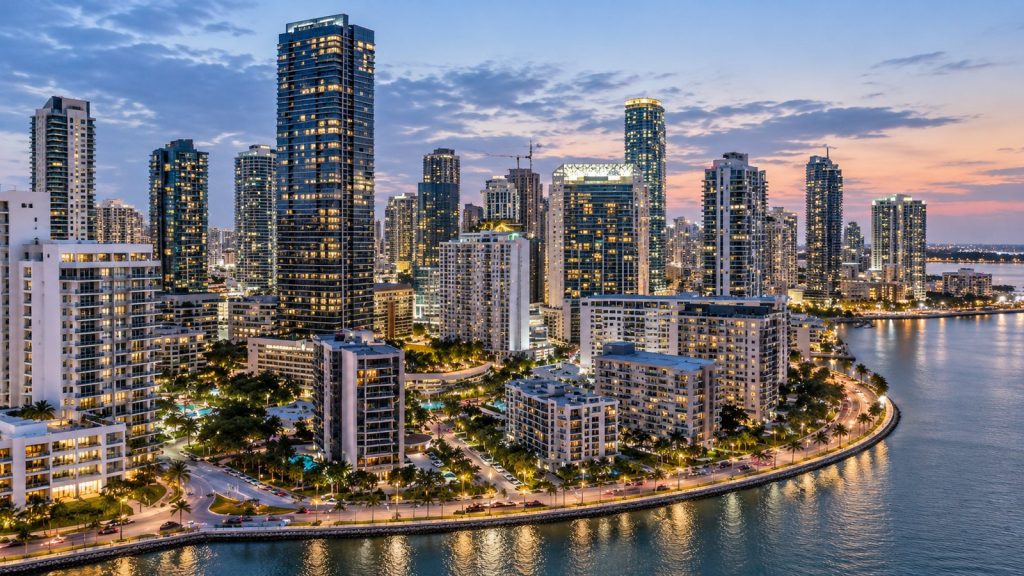
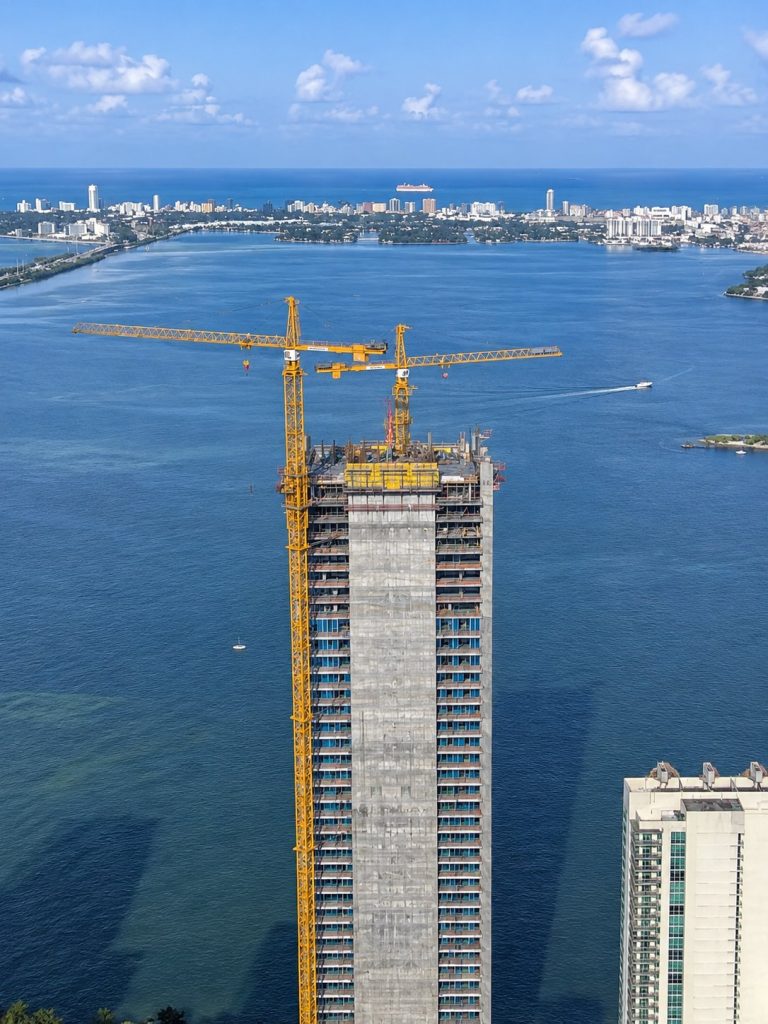
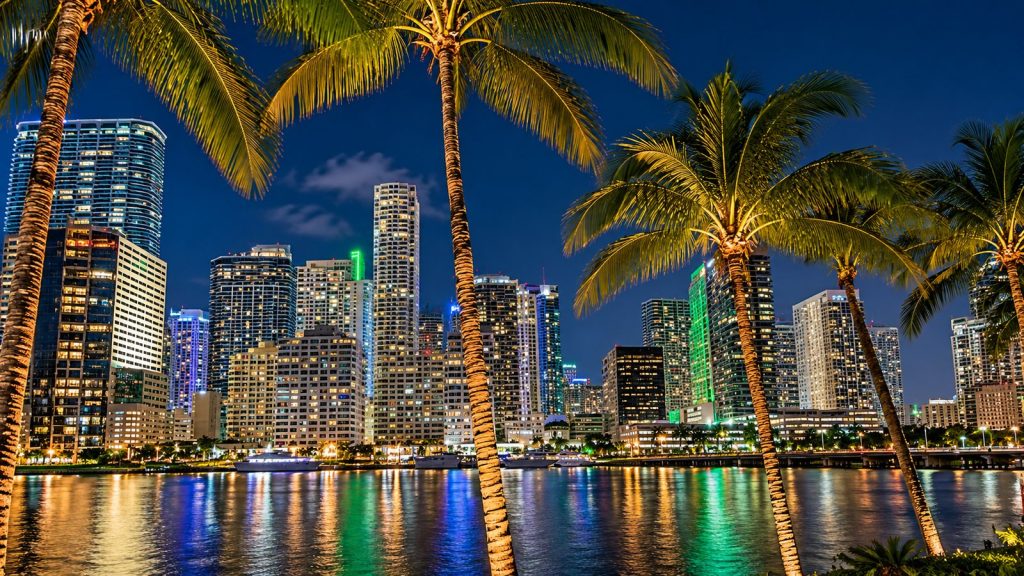
Miami is the natural comparison: waterfront homes, luxury condominiums and a global reputation that draws wealthy buyers. The striking figure is at the top of Ikoyi’s market. The upper quarter of Ikoyi houses ask from about $3.24 million, almost exactly where South Florida’s top 5% of single-family sales begins ($3.2 million). Miami’s ceiling, though, runs much higher: in Miami-Dade, the top 1% starts at $14 million (MIAMI REALTORS).
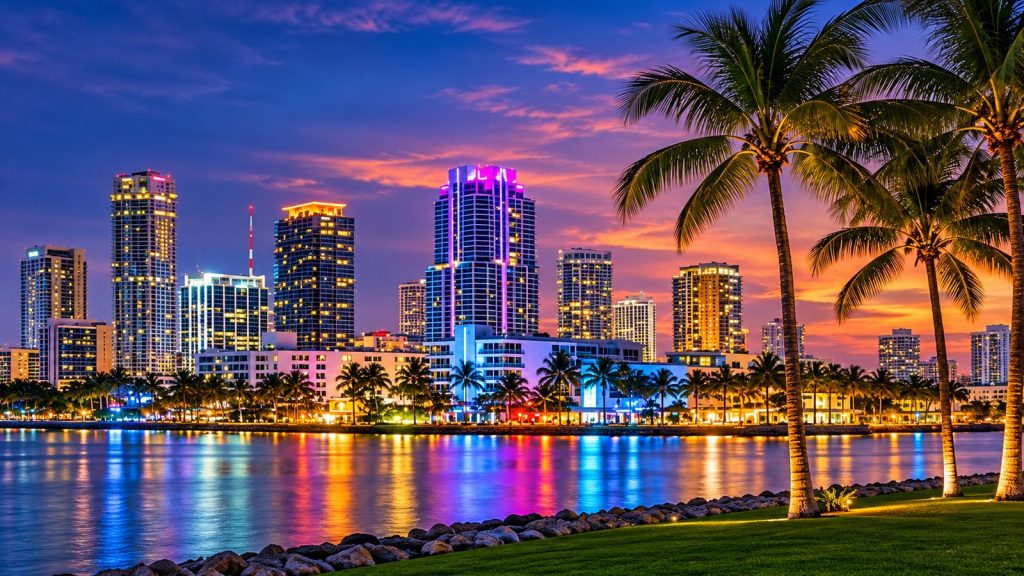
Similar prices do not mean similar homes. Miami buyers get a deeper market, mature mortgage lending, a larger pool of international buyers and reliable public services, but face heavy insurance and climate-related costs on the waterfront. Ikoyi buyers often get more land and space in a tightly held enclave, close to Lagos’s commercial heart, but must fund much of their own infrastructure.
Ikoyi and Manhattan
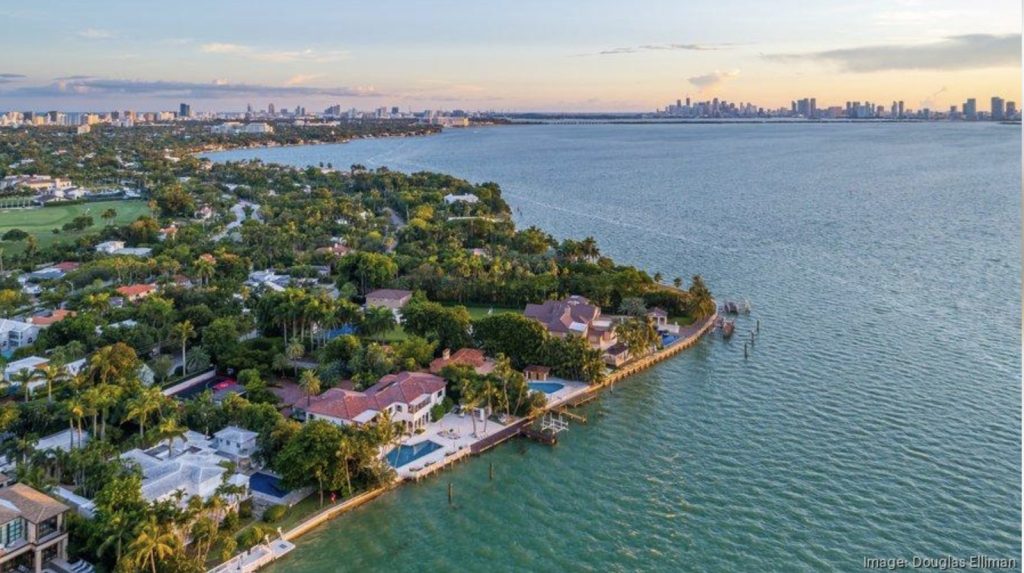
Manhattan’s market is mostly apartments, so the fair comparison is with Ikoyi’s flats. Manhattan’s median sale price was $1.25 million in Q3 2026 (Corcoran); Ikoyi’s median flat asks about $704,000. In Manhattan, the premium pays for walkable access to jobs, transport, culture and an enormous range of services. In Ikoyi, it pays for scarcity, privacy, security and proximity to Victoria Island’s offices. The two markets reward different priorities: walkability and urban life, or space and seclusion within Lagos.
What is everyday life in Ikoyi actually like?
Privacy and a residential feel
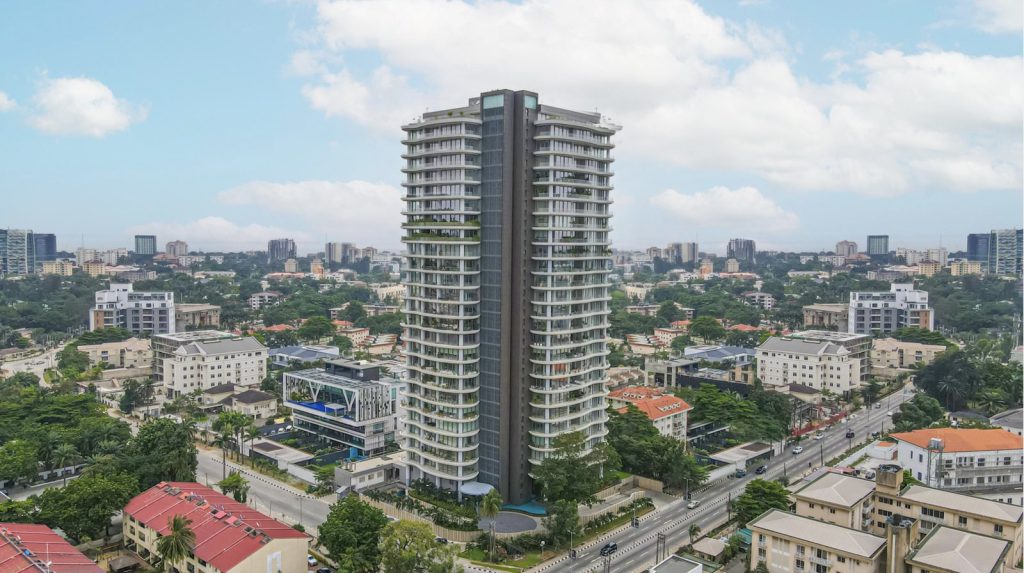
Tree-lined streets, gated estates and lower traffic give much of Ikoyi a calmer character than Lagos’s commercial corridors. It varies by address: a home on a busy road or beside a construction site feels very different from one inside a well-run estate.
Minutes from business
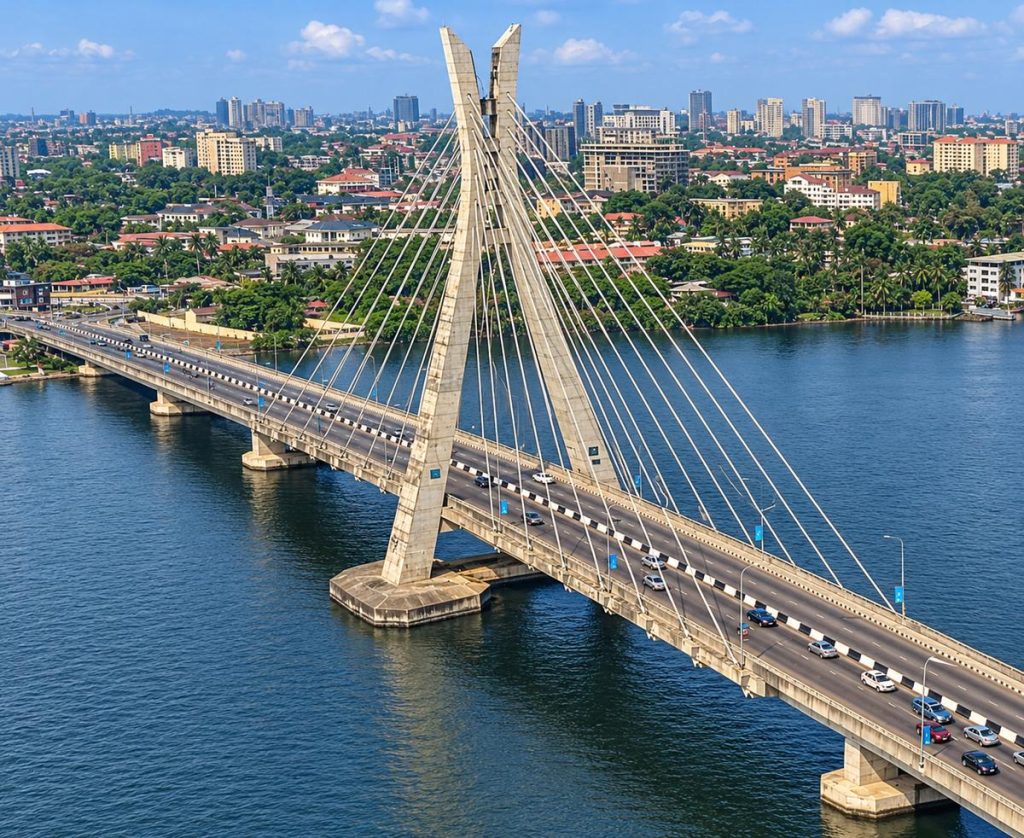
Victoria Island, Lagos Island and, via the Lekki–Ikoyi Link Bridge, Lekki Phase 1 are close by. For executives and business owners, that can mean a short commute, although bridge approaches and connecting roads still clog at peak times.
Clubs, dining and leisure
Ikoyi is home to long-established social institutions such as the Ikoyi Club 1938 and the Lagos Polo Club, restaurants and shops around Awolowo Road and Falomo, and private gyms and marinas along the water. Modern developments add pools, gyms, landscaped gardens, lounges and concierge services, turning a home into a managed residential experience. Check whether a property has a lagoon view or genuine waterfront access; they are priced very differently.
Schools, healthcare and security
Private and international schools, clinics and hospitals across Ikoyi and Victoria Island are within reach, but assess each school and facility and the real travel time from your address. Gated estates, private security and controlled entry are a core part of the appeal; examine how each estate is run and what it costs.
Ikoyi’s lifestyle premium is strongest for people who value privacy, space, proximity and managed facilities. It is weaker for anyone who prioritises walkability, public transport, lively street life or a lower cost of living.
A concrete jungle? Ikoyi’s missing green space
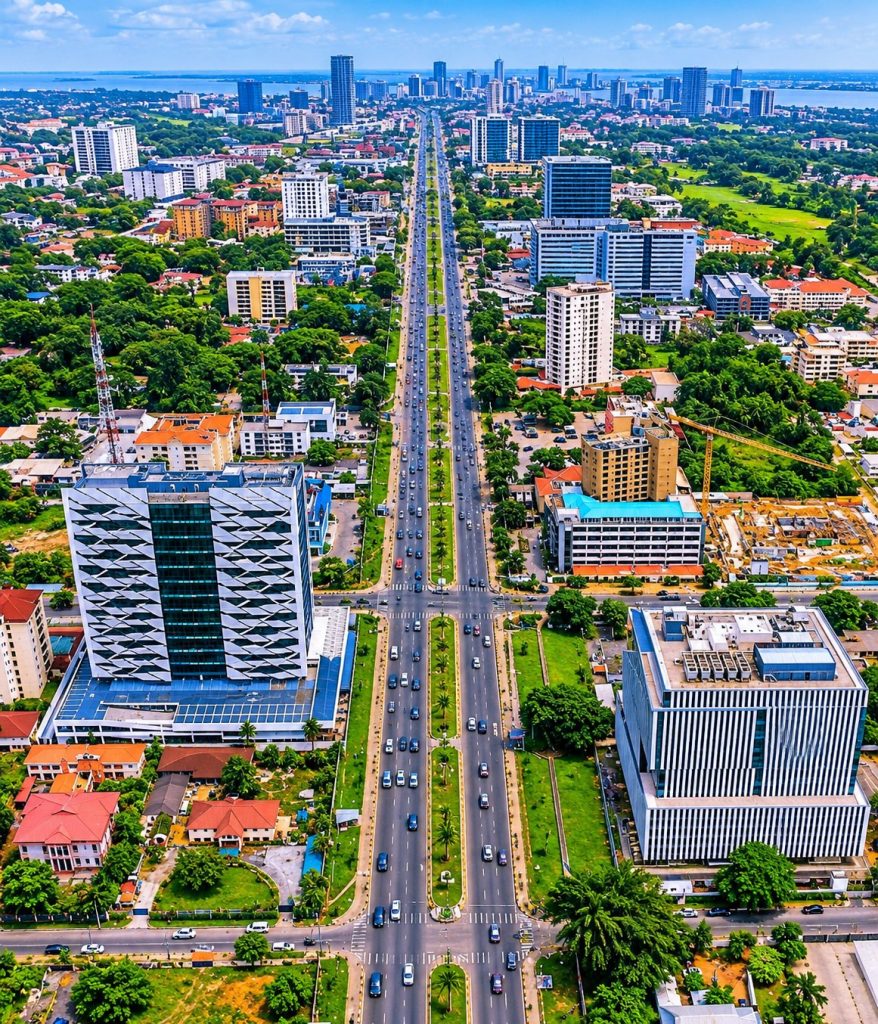
Ikoyi was laid out as a leafy residential district of large houses in generous gardens, and it is still one of the greener parts of Lagos: commentators contrast its tree-lined streets with the bare concrete of districts such as Oshodi (ThisDay). But look closer and a less flattering picture emerges, one that matters to anyone paying global prices.
Green, but mostly behind walls
Much of Ikoyi’s greenery is private: residential gardens, embassy compounds and club grounds such as the Ikoyi Club 1938 golf course, which most people cannot simply walk into. Truly public green space is scarce. Alfred Rewane Gardens, the landscaped public strip the Lagos State Government created along Alfred Rewane Road in 2018, covers about 9,174 square metres (details). Manhattan’s Central Park covers 843 acres, roughly 370 times larger, and Miami lines much of Biscayne Bay with public parks, promenades and beaches.
Gardens are giving way to towers
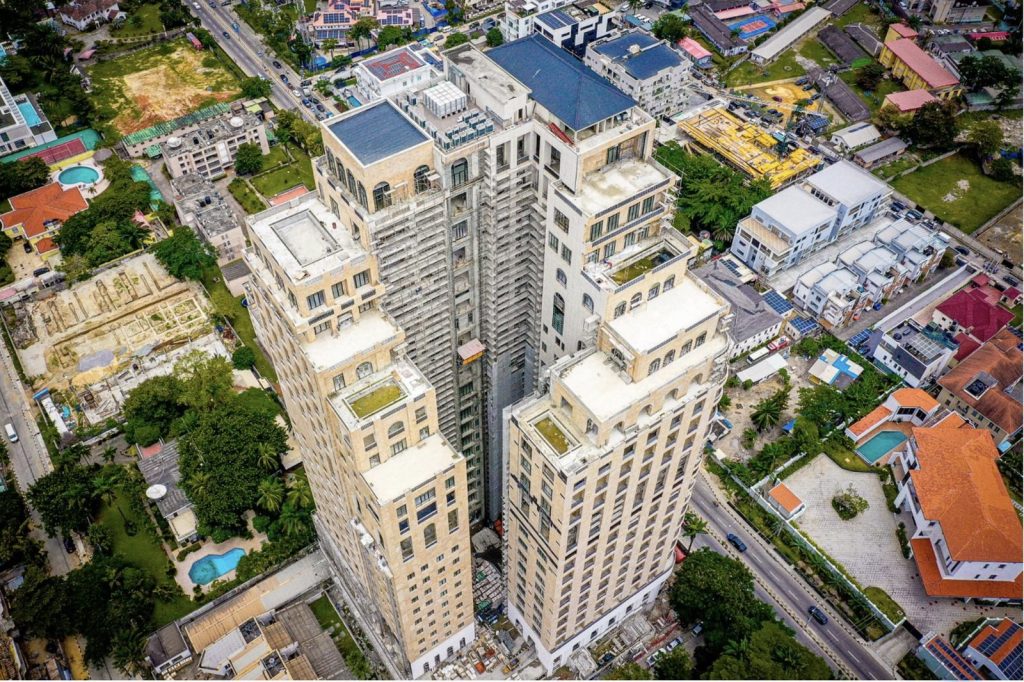
Redevelopment is the other pressure. Because land is so scarce, older houses with large gardens are being demolished for apartment towers, and each new building tends to cover more of its plot with concrete, parking and paving. The result is a skyline that is rising faster than the tree canopy around it. For an apartment buyer, it also means today’s open view over a neighbour’s garden can become tomorrow’s view of another tower.
| City | Green-space indicator | Source |
|---|---|---|
| Lagos | Urban green space about 14%; tree cover about 2% (rated E−) | HUGSI |
| New York City | Tree canopy about 23% (2021) | NYC Comptroller / The Nature Conservancy |
| Miami-Dade County | Tree canopy about 20% (2020) | Miami-Dade urban tree canopy assessment |
Why it matters for value and daily life
Trees and open ground are not decoration. They shade streets in a hot climate, absorb rainwater that would otherwise flood roads and compounds, and give residents somewhere to walk, run and breathe. Buyers paying Miami-level prices increasingly expect Miami-level surroundings, not just a well-finished interior.
- Ask how much of a development’s plot is landscaped, and whether mature trees were kept.
- Check what the plots around you could become: a low-rise neighbour may be redeveloped.
- Value genuine outlooks over water, golf greens or protected gardens; they are hard to build out.
- Walk the street at different times to judge shade, heat, noise and drainage.
Ikoyi’s next chapter as a world-class address depends as much on parks, street trees and waterfront access as on taller towers.
The uncomfortable question: the “premium for dysfunction”
A luxury address should be judged by the services around it, not just its architecture. Ikoyi’s best properties offer fine finishes, back-up power, private water treatment, managed security and well-kept communal spaces. Yet residents can still face congestion, drainage problems, flooding in some locations and nearby construction.
The Roland Igbinoba Real Foundation for Housing and Urban Development’s State of Lagos Housing Market Report 2025 describes Lagos’s luxury model as a “premium for dysfunction”: prices comparable with global cities, while residents pay privately for water, electricity, drainage and security that public systems do not reliably provide. It warns that without public investment, that gap could weigh on long-term demand (Nairametrics).
So part of an Ikoyi price buys genuine quality of life, and part pays for private solutions. That is why the specific property matters more than the name. A well-managed building with reliable power, good drainage, sound maintenance and clean title can be an excellent place to live. A badly managed one can disappoint at any price.
Does an Ikoyi property make a good investment?
What supports value
- Finite prime land in the most desirable streets and estates.
- Established demand from wealthy households, companies, senior executives and diaspora buyers.
- Redevelopment potential where title, planning rules and project economics allow.
- Replacement cost: when the naira weakens or materials rise, the cost of building a comparable home rises too, supporting asking prices.
- Corporate rental demand for well-run, serviced homes.
What to watch
Comparing the median rent of flats (₦41.8m) with the median asking price (₦948m) suggests a gross yield of only about 4.4%, before service charges, power and maintenance. Most of the return in Ikoyi has come from capital growth, which is never guaranteed. Before buying, check:
- title and ownership history, verified at the Land Registry (how to verify title)
- planning and building approvals, structure and construction quality
- drainage and flood history of the specific street
- service charges, power costs and estate levies
- real rental evidence, not projections
- comparable completed sales and the likely pool of future buyers
For a purchase of this size, independent legal advice and a professional valuation are essential. See the documents to ask for.
Buying property in Ikoyi from the US: a guide for Nigerians in America
Many of Ikoyi’s most serious buyers live abroad. For Nigerians in the United States, from Houston and Atlanta to New York, Maryland and California, Ikoyi offers something few American markets can: a prime home, in dollar terms, at a fraction of what a comparable address costs in Manhattan or Miami, in the city where family, business and retirement plans often lead.
What your US budget buys in Ikoyi
| Budget (US$) | In Ikoyi (typical asking prices) | For comparison in the US |
|---|---|---|
| $500k – $750k | A 2- or 3-bedroom apartment in a serviced building | Below Manhattan’s $1.25m median sale |
| $750k – $1.2m | A larger 3-bedroom apartment or maisonette on a sought-after street | Entry level for many prime Manhattan and Miami condos |
| $1.3m – $3.2m | A semi-detached or detached family house, often with staff quarters | Below South Florida’s $3.2m luxury threshold |
| $3.2m+ | The top quarter of Ikoyi houses: large detached homes on premium streets | Entry to South Florida’s top 5% of home sales |
How to buy safely from America
- Define your purpose. A family base, a retirement home and a rental investment point to different streets and building types.
- Shortlist remotely. Compare listings, ask for recent videos and live video walkthroughs, and check the street’s drainage and traffic.
- Appoint a Lagos property lawyer to search the title at the Land Registry, chart the survey and review the sale contract before you pay anything. See the documents to check.
- Use a specific power of attorney if you cannot be present to sign, so a trusted person or your lawyer can act for you.
- Pay only by traceable bank transfer into accounts verified by your lawyer, never in cash or to an individual’s personal account, and confirm the currency of payment in writing.
- Complete the paperwork: a stamped Deed of Assignment and Governor’s Consent to perfect your title.
- Plan management. If you will let the home or leave it empty, arrange property management, service charges and security before handover.
Before you wire money
- Be wary of anyone pressuring you to pay quickly to “secure” a property you have not had verified.
- Confirm the seller’s identity matches the title documents.
- Keep copies of every document and receipt.
- Speak to a cross-border tax adviser: as a US taxpayer, rental income and gains on Nigerian property generally need to be reported to the IRS, and Nigeria taxes gains at personal income tax rates from 2026.
For more than six years, Propslisting has helped buyers in Nigeria and abroad find and secure property in Lagos. We review every listing before it goes live, can arrange video viewings on request, and help you identify the documents and checks to review with your lawyer. Read our guide for diaspora owners on selling property in Lagos from abroad, or message an adviser on WhatsApp from any time zone.
Final verdict: is Ikoyi worth the price?
Ikoyi is expensive because several forces meet in one place: scarce land, established prestige, concentrated wealth, proximity to Lagos’s business districts and the high cost of building luxury homes that must supply their own services. Its top end now sits in the same dollar range as entry-level luxury in Miami, but similar prices do not mean equivalent homes, neighbourhoods or public infrastructure.
Its future as a truly world-class address depends on closing that gap: reliable drainage and roads, better waste management, stronger building oversight, and developers who match beautiful architecture with durable construction, transparent service charges and professional management.
For some buyers, Ikoyi is worth every naira: the right home, in the right place, in the city where they live and work. For others, the price is hard to justify against the space, services or returns available elsewhere. The better question is not whether Ikoyi is expensive. It is whether this particular property delivers enough quality, convenience, security and long-term value to justify its price.
Thinking of buying or selling in Ikoyi?
Compare asking prices street by street, browse verified listings, or speak to an adviser before you commit. Owners can list free, publicly or privately off-market.
View Ikoyi propertyIkoyi price guideSpeak to an adviserSell privately
Frequently asked questions
Why is property in Ikoyi so expensive?
Prime land in Ikoyi is scarce and tightly held, demand is concentrated among wealthy households, companies and diaspora buyers, it sits beside Lagos’s main business districts, and delivering luxury buildings with private power, water and security in Lagos is costly. Naira depreciation has also raised replacement costs.
How much does a house cost in Ikoyi in 2026?
Nigeria Property Centre’s September 2026 index puts the median asking price for houses in Ikoyi at about ₦2.21 billion, with half of listings between about ₦1.31 billion and ₦4.36 billion. These are asking prices, not completed sales.
How much is a flat in Ikoyi?
The median asking price for flats in Ikoyi was about ₦948 million in September 2026, with half of listings between about ₦666 million and ₦1.61 billion. Median asking rent for flats was about ₦41.8 million a year.
Is Ikoyi more expensive than Miami or Manhattan?
Not across the board. Ikoyi’s median house asking price is about $1.64 million, above Manhattan’s $1.25 million median sale but well below Miami-Dade’s luxury threshold of $4.2 million. The top quarter of Ikoyi houses ask from about $3.24 million, close to the $3.2 million entry point of South Florida’s top 5%.
Is buying property in Ikoyi a good investment?
Scarce prime land and established demand support long-term values, and BusinessDay data showed Ikoyi assets rising 132% to 176% between December 2024 and February 2026. But gross rental yields are modest, and returns depend on title, building quality, service charges and price paid.
Is Ikoyi a green neighbourhood?
Greener than most of Lagos, with tree-lined streets and large gardens, but most of that greenery is private. Public parks are scarce: Alfred Rewane Gardens covers about 9,174 square metres, against 843 acres for Manhattan’s Central Park. Redevelopment is also replacing gardens with towers.
Can Nigerians living in the US buy property in Ikoyi?
Yes. Nigerians abroad buy in Ikoyi regularly. Most shortlist remotely, appoint a Lagos property lawyer to verify the title, sign through a specific power of attorney if they cannot travel, and pay by traceable bank transfer into verified accounts.
How much do I need in dollars to buy in Ikoyi?
Roughly $500,000 to $750,000 for a 2- or 3-bedroom apartment, $1.3 million to $3.2 million for a family house, and more for large detached homes on premium streets, based on 2026 asking prices. Many premium homes are priced directly in US dollars.
Sources
- Nigeria Property Centre: Ikoyi house prices, September 2026
- Nigeria Property Centre: Ikoyi flat prices, September 2026
- Nigeria Property Centre: Ikoyi flat rents, September 2026
- MIAMI REALTORS: South Florida luxury thresholds, January–September 2026
- Corcoran: Manhattan market report, Q3 2026
- BusinessDay portfolio data, via Nigeria Housing Market, February 2026
- HUGSI: Lagos urban green space index
- NYC Comptroller: New York City’s urban forest and tree canopy
- Miami-Dade County: urban tree canopy assessment 2021
- ThisDay: Lack of greenery in Lagos State
- Nairametrics: Ikoyi luxury homes and the State of Lagos Housing Market Report 2025
This guide is general market information, not investment, legal or financial advice.